West Coast Vancouver Island
Coastal safety: the real hazards
Postcard photos don't show what makes this coast genuinely dangerous in the wrong conditions. Here's what actually causes injuries and deaths here, plainly.
- Top hazard
- Sneaker waves
- Second hazard
- Drift logs in surge
- Water temp
- Rarely above 14°C
- Cell coverage
- Patchy to absent on trails
Sneaker waves and drift logs
The two hazards that catch people off guard
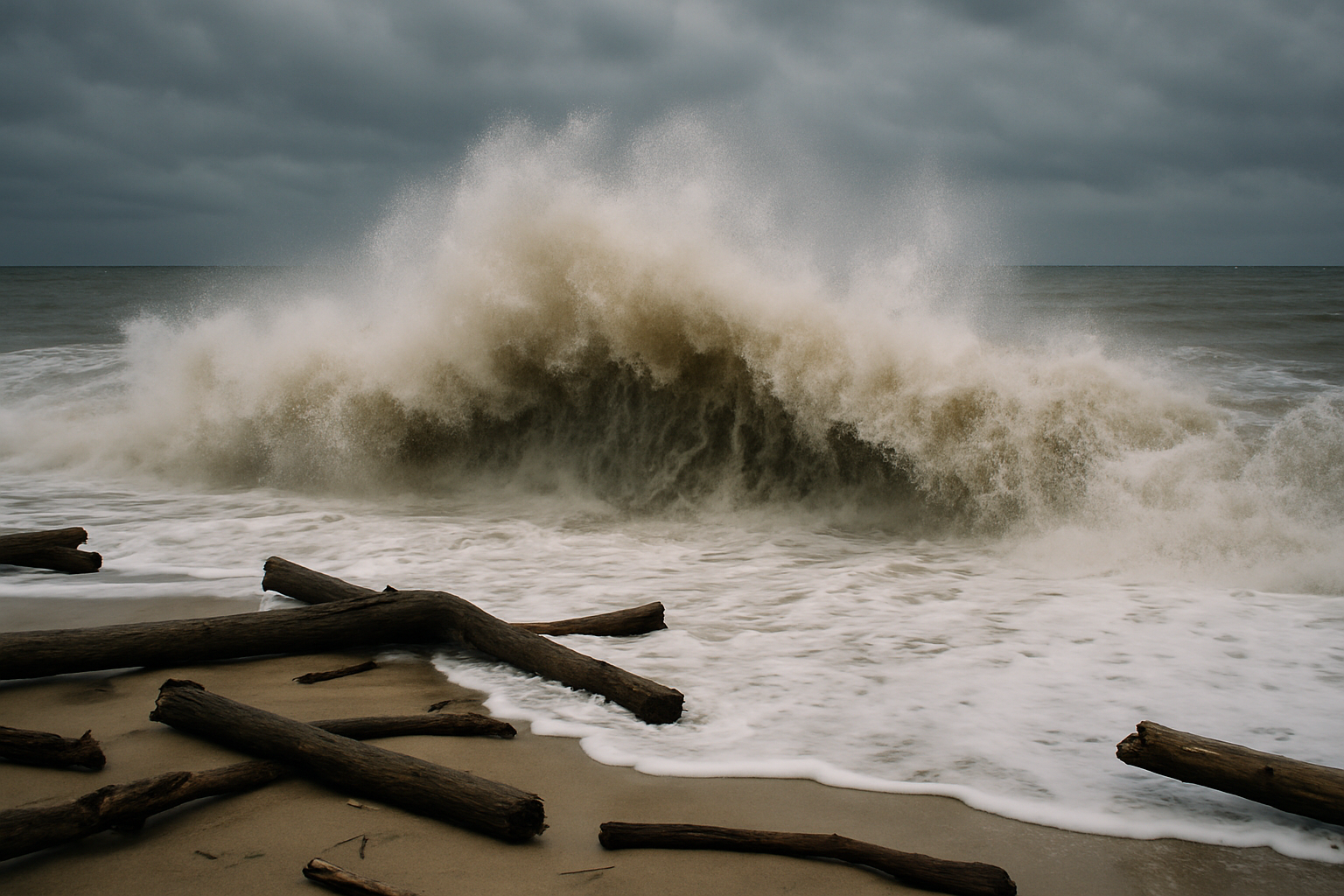
Sneaker waves can surge far beyond the normal waterline without warning, on days that look calm from a distance — Parks Canada has issued extreme wave warnings for exactly this reason, closing beaches when combined seas are forecast at several metres. Beached driftwood logs, often large enough to look stable, can float and roll in a surge, trapping or crushing someone standing too close.
Cold water is a hazard in its own right: falling in even briefly during a wave surge, at temperatures rarely above 14°C, can cause cold shock and affect the ability to swim or climb out within minutes. Keep well back from both the waterline and any logs near it, especially after storms or during unusually large swell.
Keep exploring
Related field guides
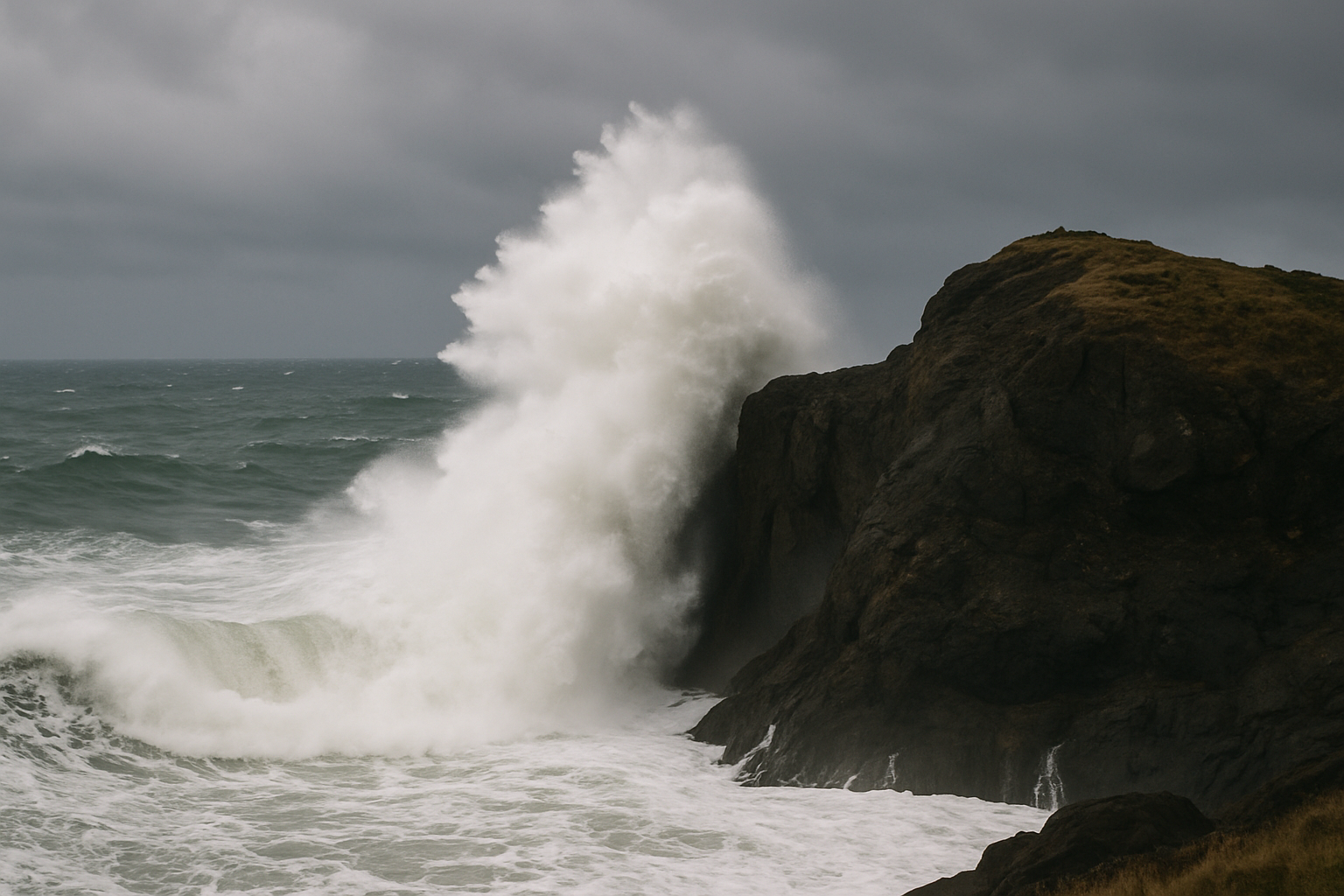
Storm-watching season
When these hazards are at their most extreme.
Read the storm guide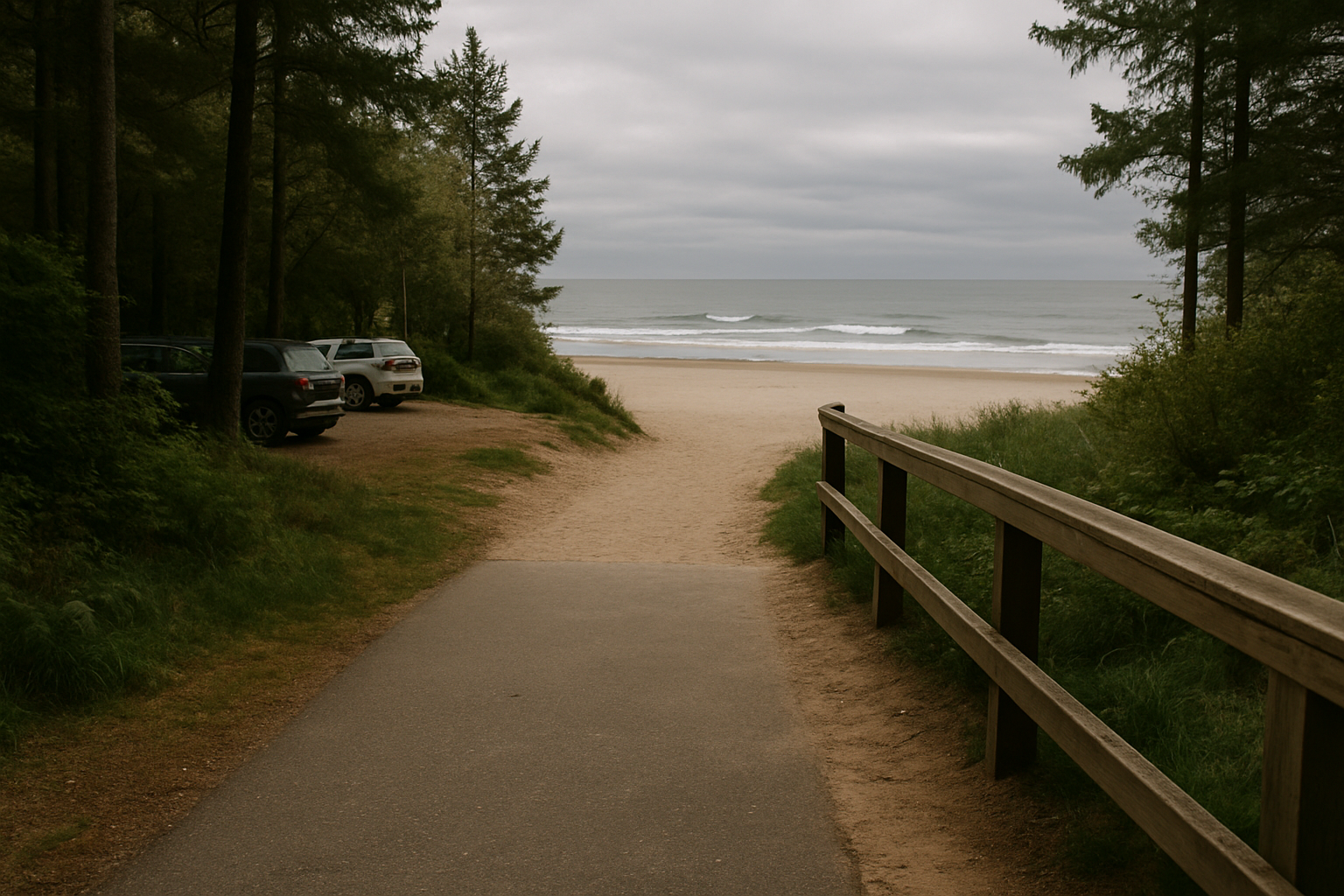
Long Beach field guide
Where these hazards apply on one specific beach.
Read the Long Beach guide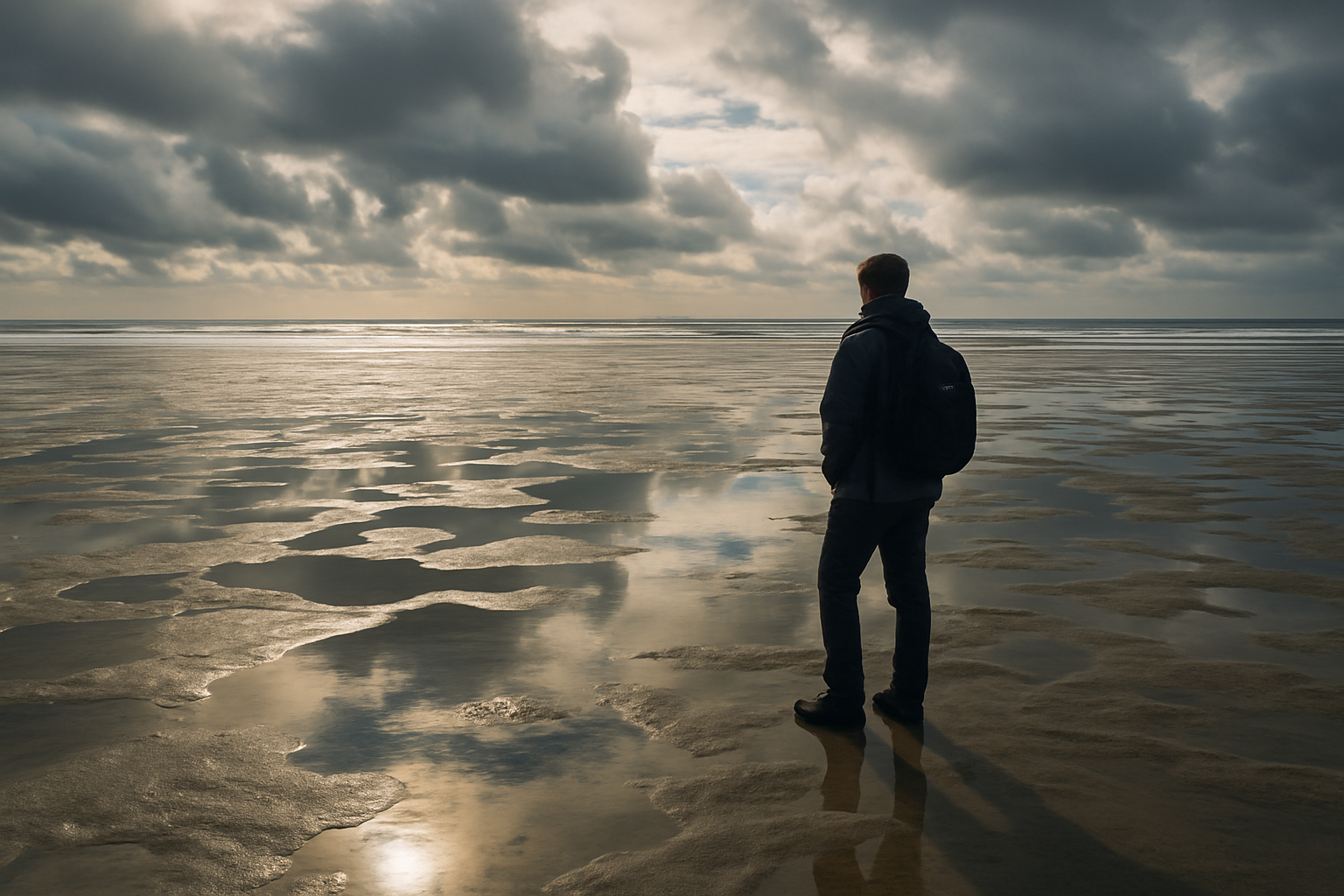
Reading tides
Rising tide is often the first warning sign.
Read the tides guide