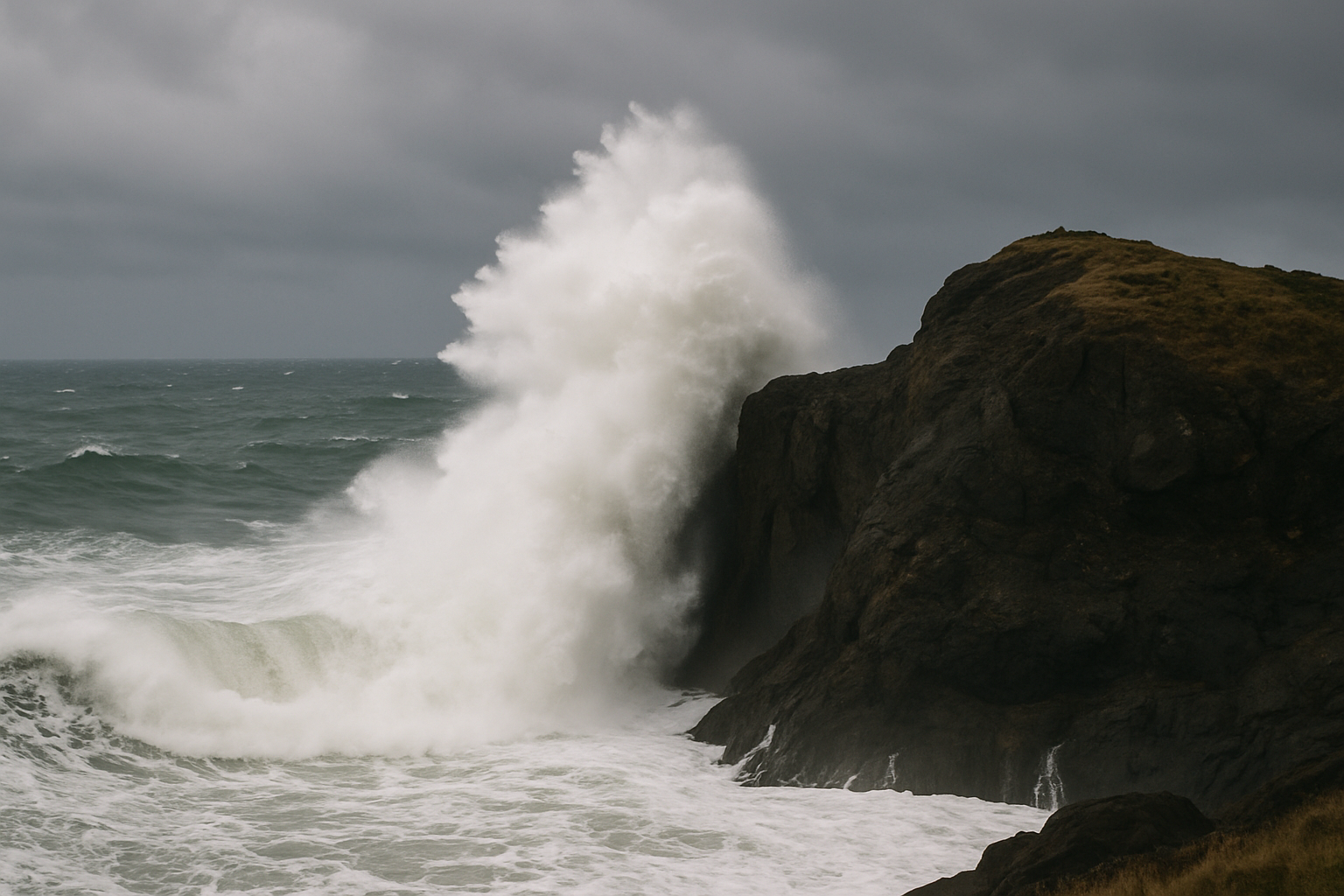
West Coast Vancouver Island
Storm-watching season: November through February
With nothing but open Pacific between this coast and Japan, winter storms arrive with real force — waves reaching 6 metres are common, and this coast sees 15–20 major storms across the season.
- Season
- November–February, into March
- Wave heights
- Up to 6 m in major storms
- Best viewpoints
- Covered, elevated, off the sand
- Key rule
- Never approach an active-warning beach
What the season actually looks like
Fifteen to twenty real storms a season
Storm-watching season runs roughly November through February, sometimes stretching into early March. February and March tend to bring slightly milder storms with longer daylight, a reasonable compromise if you want the spectacle without the shortest days of the year. This is the off-season for whale-watching and surf lessons, but the high season for a specific kind of trip.
Parks Canada periodically issues extreme wave hazard warnings when combined seas are forecast at 3.9–5.6 metres or higher, closing beach parking lots and shoreline access until conditions ease. These aren't a formality — drift logs afloat in a wave surge can trap or crush a person, and beaches can go from dry to several feet underwater in seconds.
Keep exploring
Related field guides
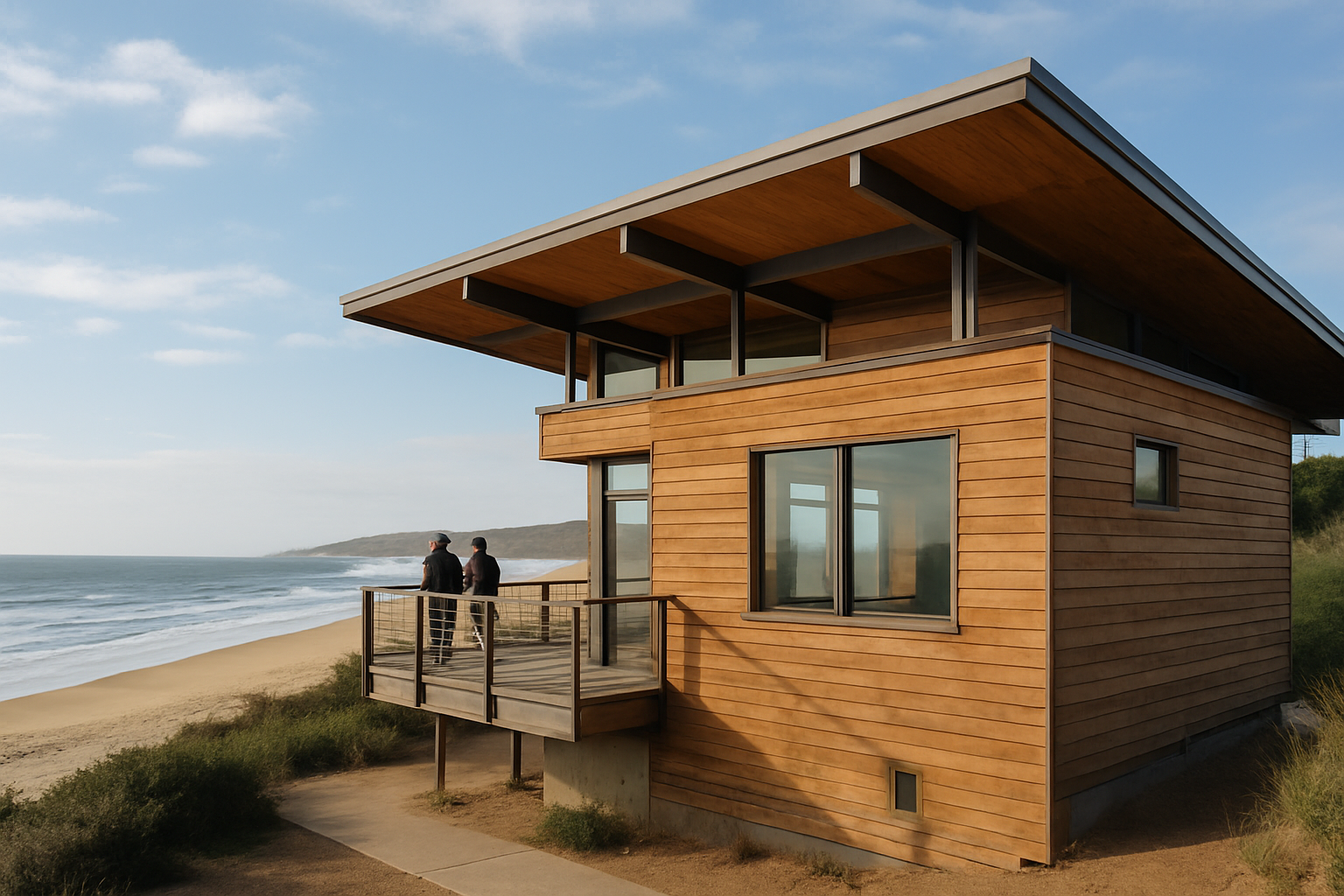
Kwisitis Visitor Centre
One of the coast's best sheltered storm-viewing spots.
Read the Kwisitis guide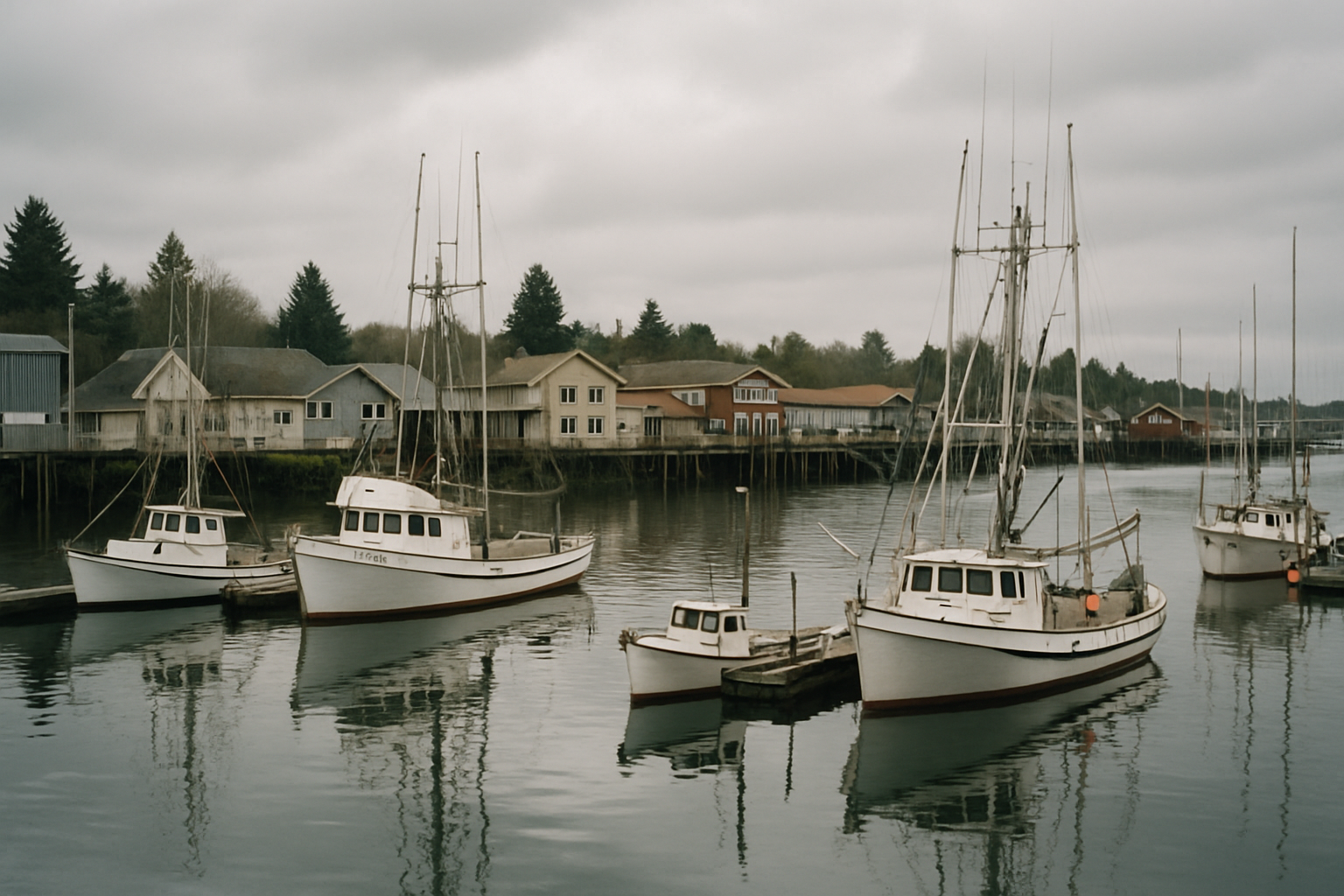
Ucluelet guide
The Wild Pacific Trail's cliff-edge shelters, built for this.
Read the Ucluelet guide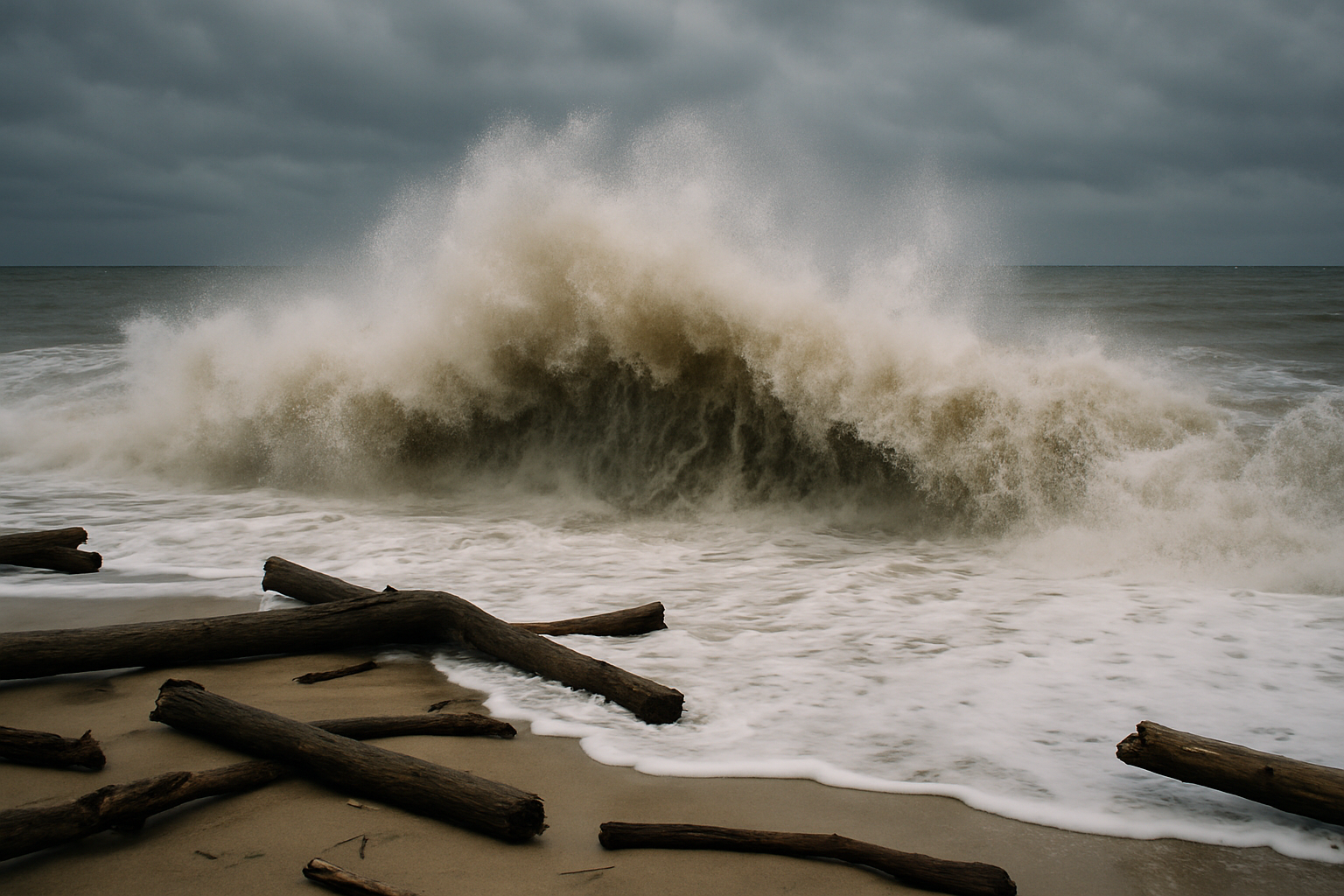
Coastal safety
Sneaker waves, logs, and cold water — the real hazards here.
Read the safety guide